Cocido trilogy

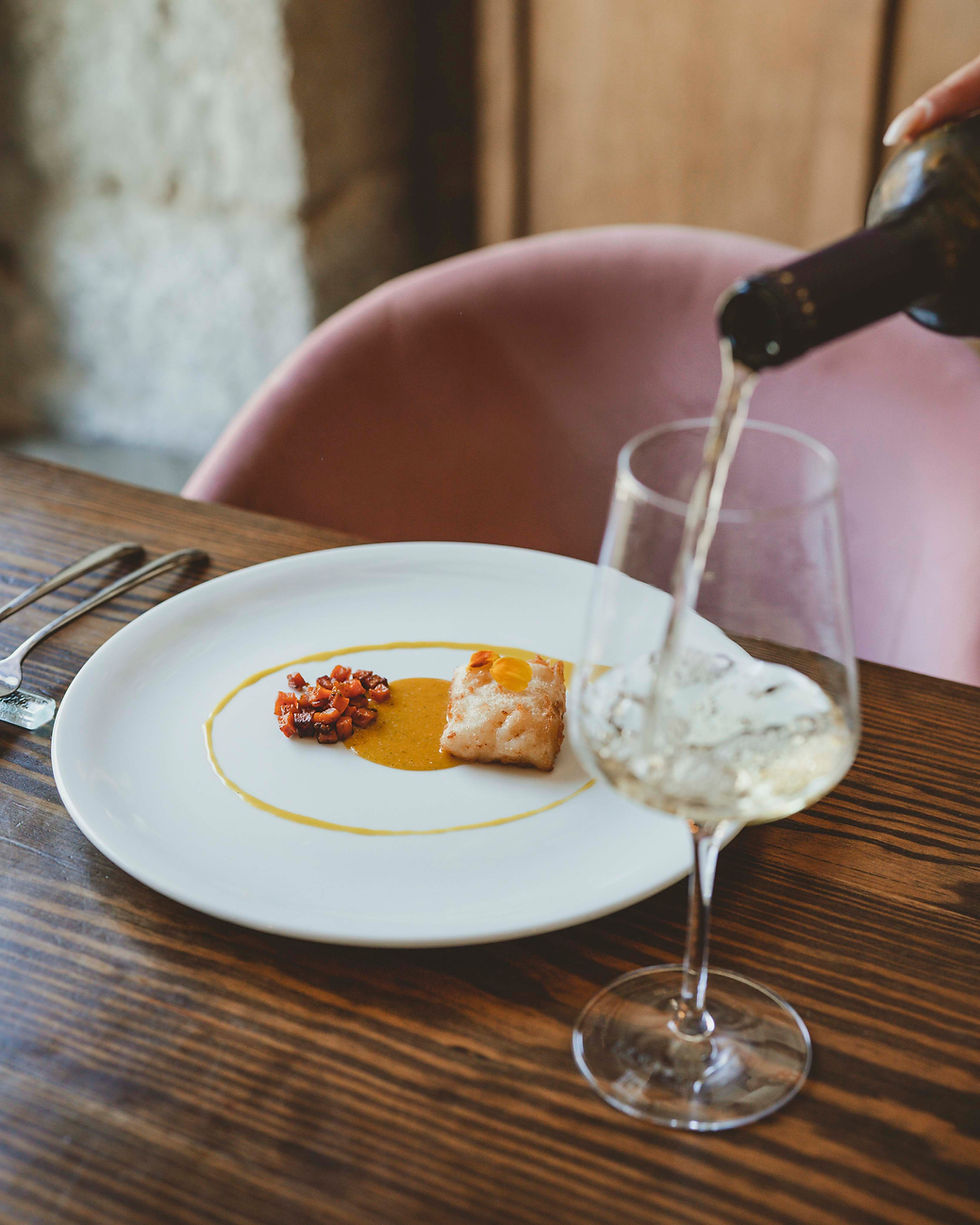
For a winter meal, nothing is better than a cocido, and this is our version, presented as a trilogy. We begin with a cocido broth, a classic consommé in this case; we continue with a fritter made with the cocido meats, especially braised beef shank; and we finish with a crisp made from the cocido vegetables.
Trilogía del cocido madrileño por una estrella michelin Trilogía del cocido madrileño por una estrella michelin Trilogía del cocido madrileño por una estrella michelin
A little about its history..
Among streets that have seen centuries pass and paths that still echo with markets and glowing embers, in the heart of Madrid beats a dish that is memory, home and community: cocido madrileño. A stew that was not born —like so many others— from the rigidity of a recipe, but from the slow generosity of time, from the need to share nourishment and warmth against the winter cold.
Its roots sink deep into the history of this land. Some say it comes from medieval stews; others believe it evolved from the Sephardic adafina, that chickpea and legume dish cooked very slowly to accompany the quiet of the Sabbath. When converts adapted these traditions to appear visibly Christian, pork entered the scene —bacon, chorizo, blood sausage— and the cocido began to take the form we know today.
It was a dish of humble people: day laborers and workshops, families who waited until midday to gather around a steaming pot. Later, as Madrid grew, cocido became a symbol of a city in transformation: robust, versatile, capable of feeding both a craftsman and a queen who, at some point, tasted it with the same enthusiasm with which we enjoy it today.
The way it is eaten is almost liturgical: three servings that are also three moments of contemplation. First, the golden soup, clear and comforting, served with noodles that float like promises of warmth. Then the chickpeas and vegetables, soft, rich and full of the earth that saw them grow. And finally —as a celebration— the meats and sausages, pieces of history that fall from the bone and are offered generously to each guest.
Over the years, this dish ceased to be only food and became a ritual: in century-old taverns it is still cooked in clay pots, slowly simmering, with care given to every boil and every skim of the broth. Today cocido madrileño is an Intangible Cultural Heritage, a culinary jewel that speaks to us of identity, conversation and long table gatherings.
Here, at La Casa de Manolo Franco, we believe that cocido is not just a dish: it is an embrace of the past that invites us to imagine the future. Our version does not renounce that essence, but we interpret it through our own perspective, in the form of a trilogy.
Because cocido, like every good story, renews itself without losing its soul…


Comments